Những công nghệ sản xuất điện trong tương lai
- Thứ tư - 20/03/2013 08:05
- In ra
- Đóng cửa sổ này
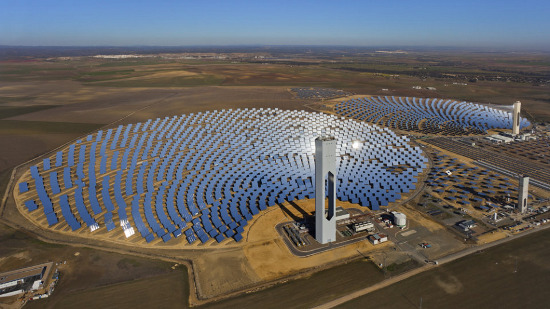
Một nhà máy sản xuất điện năng lượng mặt trời tập trung ở Pháp
Tám công nghệ sản xuất điện mới dưới đây được xem là những ứng viên xuất sắc cho mục tiêu nói trên và dự kiến không chỉ trở thành hiện thực mà còn mang tính "đại trà" vào năm 2050.
1. Công nghệ nhiệt mặt trời tập trung trở nên thông dụng trong tương lai không xa. Hiện nay, công suất điện mặt trời mới chỉ đạt 12,4 GW, nhưng đến năm 2050 có thể tăng lên 2.000 GW. Công nghệ nhiệt mặt trời tập trung sử dụng hàng loạt gương khổng lồ để tạo ra nhiệt và điện năng.
Tại vùng Đông Bắc Los Angeles, Mỹ có nhà máy Sierra sử dụng công nghệ này, sử dụng 24.000 chiếc gương có tổng diện tích 20 mẫu Anh, có thể sản xuất được 6.400 MW. Trong tương lai, tại Mỹ sẽ có ít nhất 5 nhà máy kiểu này được xây dựng.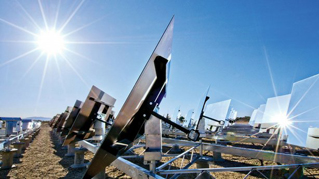
2. Công nghệ sản xuất điện thủy động lực. Thủy điện được xem là nguồn năng lượng sạch nhưng phần đóng góp còn tương đối nhỏ. Ví dụ, tại Mỹ thủy điện mới chỉ cung cấp khoảng 7% nhu cầu điện. Hiện con người mới sản xuất được 31 GW và đến năm 2050 có thể tăng lên 67 GW. Công nghệ được xem là mang tính khả thi nhất là công nghệ thủy động lực, sản xuất điện năng từ động lực của nguồn nước chảy tự do.
Dự án đầu tiên theo công nghệ này đang được xây dựng thử nghiệm tại Houston Mỹ có tên là Hydro Green Energy (HGE). Giống như một tuabin gió, nhà máy này sản xuất ra điện năng bằng cách sử dụng dòng nước tốc độ cao, làm quay 3 cánh quạt dài khoảng gần 4 mét, giống như nhà máy điện dùng sóng biển ở châu Âu, nhưng khác ở chỗ sử dụng dòng nước một chiều. Chi phí sản xuất điện sử dụng công nghệ này rẻ hơn so với chi phí sản xuất điện từ gió, chỉ khoảng 4-7 cent/kwh so với 10 cent/kwh.
3. Công nghệ sản xuất điện dùng nhiên liệu sinh học. Hiện nay ethanol được xem là khá phổ biến nhưng trong tương lai người ta sẽ sử dụng các loại vật liệu hữu cơ có tiềm năng năng lượng lớn hơn như mía, tảo, nước thải để tạo sản xuất các loại nhiên liệu dùng cả cho giao thông lẫn ngành điện. Hiện thế giới mới sản xuất khoảng 643.000 thùng nhiên liệu sinh học mỗi ngày và đến năm 2050 có thể tăng lên 3,4 triệu thùng/ngày.
4. Công nghệ sản xuất điện từ nhiên liệu sinh học hoàn hảo. Một nhóm các nhà khoa học ở Đại học Pennsylsivania, Mỹ, đang nghiên cứu sản xuất một loại nhiên liệu sinh học hoàn hảo, không gây ô nhiễm môi trường. Để cho ra đời loại nhiên liệu này, họ đã tiến hành nghiên cứu quá trình tạo methanol, hợp chất chính có trong khí thiên nhiên.
Qua nghiên cứu các nhà khoa học phát hiện thấy cơ chế sản xuất ra methane rất đơn giản, gồm nước và điôxít cácbon (CO2) được giam trong dòng điện. Dựa vào nguyên lý này người ta sẽ chế tạo một loại pin nhiên liệu chứa vi khuẩn methanogens và khi có dòng điện nạp vào, thì nó sẽ tạo ra một loại nhiên liệu đốt cháy, có khả năng trung hòa cácbon nên không phát tán khí thải ra môi trường.
5. Sản xuất điện từ sóng biển và thủy triều dưới lòng đại dương. Theo tính toán của các nhà khoa học, các trang trại điện dưới lòng đại dương ở vùng Thái Bình Dương rất tiềm năng, mỗi năm có thể sản xuất trên 900 GW và hiện tại ở Na Uy, người ta đang xây dựng một dự án thử nghiệm có tên là Hywind, sử dụng 1 tua bin 2,3 MW, nặng 152 tấn, lắp đặt ở độ sâu 65m trên một sàn cố định dưới thềm lục địa.
6. Công nghệ sản xuất điện nguyên tử an toàn, hoàn toàn không chứa cácbon. Hiện nay con người mới sản xuất được 372 GW từ nguồn nguyên liệu này, đến giữa thế kỷ 21 có thể tăng lên 700 GW nhờ các công nghệ nguyên tử thế hệ mới, đó là công nghệ thế hệ III +: dùng thiết kế nước tăng áp; thế hệ IV: sử dụng công nghệ tầng sỏi và thế hệ V: dùng lò phản ứng sóng di động.
7. Công nghệ năng lượng địa nhiệt. Một trong số những quốc gia có nguồn năng lượng địa nhiệt dồi dào nhất thế giới hiện nay là Iceland. Hiện tại con người mới sản xuất được khoảng 10 GW điện địa nhiệt, dự kiến đến năm 2050 có thể tăng lên tới 700 GW.
8. Công nghệ sản xuất điện từ nhiên liệu hóa thạch sạch. Thế giới hiện sản xuất được 1.460 GW điện từ các loại nhiên liệu hóa thạch như dầu mỏ, khí đốt hay than đá, đến năm 2050 có thể tăng lên khoảng 3.830 GW nhờ sử dụng công nghệ mới biến cácbon thành xi măng. Nguyên lý hoạt động của công nghệ này rất đơn giản, theo đó người ta sẽ đưa khí thải từ các nhà máy nhiệt điện sử dụng khí đốt hoặc than đi qua lớp nước biển. CO2 và các chất ô nhiễm trong khí thải nói trên sẽ kết hợp với magiê và canxi trong nước biển để tạo ra một loại vật liệu mới giống như đá vôi, rất thích hợp cho ngành công nghiệp sản xuất xi măng, làm bêtông hoặc nhựa đường.
Tại vùng Đông Bắc Los Angeles, Mỹ có nhà máy Sierra sử dụng công nghệ này, sử dụng 24.000 chiếc gương có tổng diện tích 20 mẫu Anh, có thể sản xuất được 6.400 MW. Trong tương lai, tại Mỹ sẽ có ít nhất 5 nhà máy kiểu này được xây dựng.
2. Công nghệ sản xuất điện thủy động lực. Thủy điện được xem là nguồn năng lượng sạch nhưng phần đóng góp còn tương đối nhỏ. Ví dụ, tại Mỹ thủy điện mới chỉ cung cấp khoảng 7% nhu cầu điện. Hiện con người mới sản xuất được 31 GW và đến năm 2050 có thể tăng lên 67 GW. Công nghệ được xem là mang tính khả thi nhất là công nghệ thủy động lực, sản xuất điện năng từ động lực của nguồn nước chảy tự do.
Dự án đầu tiên theo công nghệ này đang được xây dựng thử nghiệm tại Houston Mỹ có tên là Hydro Green Energy (HGE). Giống như một tuabin gió, nhà máy này sản xuất ra điện năng bằng cách sử dụng dòng nước tốc độ cao, làm quay 3 cánh quạt dài khoảng gần 4 mét, giống như nhà máy điện dùng sóng biển ở châu Âu, nhưng khác ở chỗ sử dụng dòng nước một chiều. Chi phí sản xuất điện sử dụng công nghệ này rẻ hơn so với chi phí sản xuất điện từ gió, chỉ khoảng 4-7 cent/kwh so với 10 cent/kwh.
3. Công nghệ sản xuất điện dùng nhiên liệu sinh học. Hiện nay ethanol được xem là khá phổ biến nhưng trong tương lai người ta sẽ sử dụng các loại vật liệu hữu cơ có tiềm năng năng lượng lớn hơn như mía, tảo, nước thải để tạo sản xuất các loại nhiên liệu dùng cả cho giao thông lẫn ngành điện. Hiện thế giới mới sản xuất khoảng 643.000 thùng nhiên liệu sinh học mỗi ngày và đến năm 2050 có thể tăng lên 3,4 triệu thùng/ngày.
4. Công nghệ sản xuất điện từ nhiên liệu sinh học hoàn hảo. Một nhóm các nhà khoa học ở Đại học Pennsylsivania, Mỹ, đang nghiên cứu sản xuất một loại nhiên liệu sinh học hoàn hảo, không gây ô nhiễm môi trường. Để cho ra đời loại nhiên liệu này, họ đã tiến hành nghiên cứu quá trình tạo methanol, hợp chất chính có trong khí thiên nhiên.
Qua nghiên cứu các nhà khoa học phát hiện thấy cơ chế sản xuất ra methane rất đơn giản, gồm nước và điôxít cácbon (CO2) được giam trong dòng điện. Dựa vào nguyên lý này người ta sẽ chế tạo một loại pin nhiên liệu chứa vi khuẩn methanogens và khi có dòng điện nạp vào, thì nó sẽ tạo ra một loại nhiên liệu đốt cháy, có khả năng trung hòa cácbon nên không phát tán khí thải ra môi trường.
5. Sản xuất điện từ sóng biển và thủy triều dưới lòng đại dương. Theo tính toán của các nhà khoa học, các trang trại điện dưới lòng đại dương ở vùng Thái Bình Dương rất tiềm năng, mỗi năm có thể sản xuất trên 900 GW và hiện tại ở Na Uy, người ta đang xây dựng một dự án thử nghiệm có tên là Hywind, sử dụng 1 tua bin 2,3 MW, nặng 152 tấn, lắp đặt ở độ sâu 65m trên một sàn cố định dưới thềm lục địa.
6. Công nghệ sản xuất điện nguyên tử an toàn, hoàn toàn không chứa cácbon. Hiện nay con người mới sản xuất được 372 GW từ nguồn nguyên liệu này, đến giữa thế kỷ 21 có thể tăng lên 700 GW nhờ các công nghệ nguyên tử thế hệ mới, đó là công nghệ thế hệ III +: dùng thiết kế nước tăng áp; thế hệ IV: sử dụng công nghệ tầng sỏi và thế hệ V: dùng lò phản ứng sóng di động.
7. Công nghệ năng lượng địa nhiệt. Một trong số những quốc gia có nguồn năng lượng địa nhiệt dồi dào nhất thế giới hiện nay là Iceland. Hiện tại con người mới sản xuất được khoảng 10 GW điện địa nhiệt, dự kiến đến năm 2050 có thể tăng lên tới 700 GW.
8. Công nghệ sản xuất điện từ nhiên liệu hóa thạch sạch. Thế giới hiện sản xuất được 1.460 GW điện từ các loại nhiên liệu hóa thạch như dầu mỏ, khí đốt hay than đá, đến năm 2050 có thể tăng lên khoảng 3.830 GW nhờ sử dụng công nghệ mới biến cácbon thành xi măng. Nguyên lý hoạt động của công nghệ này rất đơn giản, theo đó người ta sẽ đưa khí thải từ các nhà máy nhiệt điện sử dụng khí đốt hoặc than đi qua lớp nước biển. CO2 và các chất ô nhiễm trong khí thải nói trên sẽ kết hợp với magiê và canxi trong nước biển để tạo ra một loại vật liệu mới giống như đá vôi, rất thích hợp cho ngành công nghiệp sản xuất xi măng, làm bêtông hoặc nhựa đường.